

Why your wallet choice still determines whether you win or lose in DeFi
Whoa!
Wallets matter. They shape the first and last mile of every DeFi interaction. Users can have the best strategy on paper, but a clumsy wallet flow or a missed simulation will erase profits in a second.
Long gone are the days when a wallet was just a key store. Now it’s a transaction engine, a UX layer, a security policy enforcer, and sometimes a frontline defense against miner/validator trickery that eats your sandwich trades.
Seriously?
Yes. The moment you submit a signed tx you’re trusting software, the mempool, and whoever orders transactions. That sounds dramatic. It kinda is. But it’s also practical.
Initially I thought wallets only needed good UX, but then the mechanics around MEV and front-running made that view naive. Actually, wait—let me rephrase that: UX is necessary but not sufficient, because a wallet without simulation and MEV-aware heuristics is like a Ferrari with bald tires.
Here’s the thing.
DeFi is a stack of primitives that assume honest sequencing. They don’t guarantee it. So your wallet needs to simulate, surface failure conditions, and protect transactions from being reordered or sandwiched when value is on the line.
That requires deeper integration with dApps than most simple injected providers offer, and also some policy-level decisions on how approvals and gas are handled.
Practical patterns for dApp integration
Fast note: good dApp integration isn’t just “connect and go”.
It means contextual prompts, clear intent signing, and transaction previews that show composed calls across protocols. Medium explanation: show token paths, slippage windows, and the specific contract methods being called. Longer thought: when a swap triggers a series of approvals, multicalls, or permit flows, the wallet should collapse that complexity for the user while still exposing the gating risks—allowances about to be set to unlimited, tokens moving to intermediary contracts, or calls that can be reinterpreted by a proxy.
Too many dApps assume users will read a single “confirm” modal and understand the ramifications. That’s optimistic at best.
Hmm…
Transaction simulation is the most underrated feature. A simulated dry-run tells you if your tx will revert, if you’d get front-run, or if slippage makes the trade moot. It’s also where things get technical: you need accurate state (block height, oracle prices, mempool composition) and a simulator that interprets contract code like EVM does.
On one hand, simulation is computationally heavier. On the other hand, skipping it costs money. So wallets should make simulation fast, and optional for low-value ops, but default for complex DeFi moves.
MEV: what it is and wallet-level defenses
MEV (maximal extractable value) isn’t a theoretical concept for traders. It’s a real profit stream that miners/validators and bots extract by reordering, inserting, or censoring transactions.
Short version: if your trade creates arbitrage opportunities, bots will find and exploit them. Medium: that can result in higher effective fees, worse execution, or predatory sandwich attacks. Long version: the ecosystem has evolved mitigations—private relays, bundle submission to validators, and fair ordering services—but those require compatible wallet flows and user consent.
So what can a wallet do? A lot actually.
Okay, so check this out—
First, wallets can default to simulation and surface sandwich risk. Second, they can integrate with private relays or transaction builders that support bundle submission to validators (bypassing the public mempool). Third, they can offer approval hygiene and prime for permit2-style signed approvals to reduce unnecessary on-chain allowance transactions.
Each of these is an engineering and UX tradeoff. Integrations add complexity. But they’re valuable when users execute high-value or high-frequency strategies.
DeFi protocol interactions: pitfalls and hard rules
Approvals are the weakest link for many users. Unlimited allowances are convenient but dangerous. Limited approvals mean more txs. Both choices matter for UX and gas spend.
Permits (EIP-2612 and extensions) help a lot. They let wallets sign off-chain and avoid an extra approval tx. But you need the dApp and wallet to support it. Not all protocols are there yet.
Another recurring issue is gas-bumping and nonce management. If your wallet blindly replaces transactions or auto-increments nonces without exposing intent, you can orphan other dependent actions unintentionally. That’s where transaction simulation and nonce transparency become valuable—so the user knows the downstream implications.
Something felt off about one common pattern: wallets promise “one-click dApp spending” yet obscure the intermediate contract interactions. That bugs me.
Here’s what I’d want to see: a transaction preview that highlights counterparty contracts, an approval summary, and a risk score for MEV exposure. Also, something practical—an option to route via a private relay for a small premium when the value at risk is high.
Security trade-offs and pragmatic recommendations
I’ll be honest—there is no silver bullet.
Use hardware for large holdings. Keep small balances hot for active trading. Prefer wallets that offer transaction simulation and clear approval UX. If you frequently interact with DEX aggregators, pick a wallet that can sign bundle transactions or connect to relays.
Also, don’t grant unlimited allowances to every protocol. Periodically review approvals with a tool or within your wallet. Revoke unused allowances. Yes it’s a chore, but it’s also a major attack surface reduction measure.
By the way, wallets that add features like batch revokes, simulated “what-if” flows, and clear explanations of permission scopes save users headaches and money over time.
Check this out—
For those building or choosing a wallet, think of three pillars: honest UX, deep simulation, and optional MEV-aware routing. A wallet that covers those will materially improve trader outcomes. A wallet that only signs txs fast and pretty will cost you eventually.
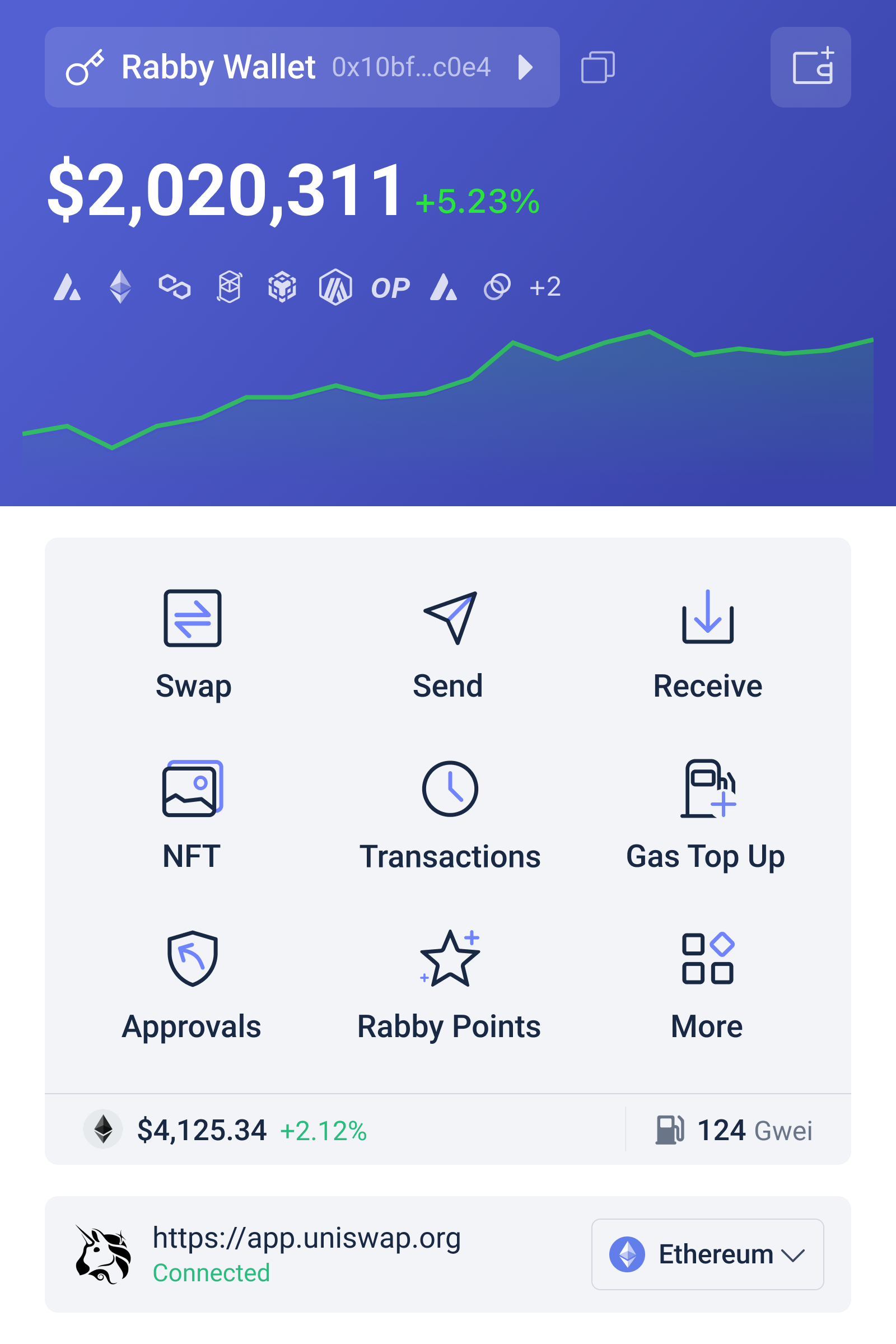
Need a practical tool tip? If you’re exploring wallets that put transaction simulation front-and-center and make permission management clearer, take a look at https://rabby-wallet.at/. It demonstrates how deeper dApp integration and simulation can be surfaced without overwhelming users.
FAQ
How does transaction simulation help me in practice?
Simulation runs your proposed tx against the current chain state and shows if it will revert, what the slippage might be, and possible failure paths. It also helps estimate gas consumption more accurately and expose if oracle-dependent logic will fail.
Can a wallet completely prevent MEV?
No. But wallets can reduce exposure by routing through private relays, supporting bundle submission to validators, and flagging high-risk transactions for additional confirmation. These steps lower the probability of being exploited, though they don’t eliminate MEV entirely.
What’s the simplest immediate change users should make?
Stop using unlimited approvals by default. Use permit flows where supported. And enable transaction simulation for any multi-step DeFi operation. These three moves cut a lot of risk without adding huge friction.
- Published in Uncategorized
Ottimizzare il deposito con Skrill: consigli pratici per giocatori esperti
Indice
Come pianificare il budget di deposito per massimizzare le vincite
Per i giocatori esperti, una gestione strategica del budget di deposito con Skrill rappresenta un elemento chiave per aumentare le probabilità di successo e ridurre i rischi. La pianificazione accurata permette di ottimizzare le risorse disponibili e di evitare decisioni impulsive che potrebbero portare a perdite significative.
Impostare limiti di deposito giornalieri e mensili
Una delle pratiche più efficaci consiste nel definire limiti di deposito realistici e rispettarli costantemente. Skrill permette di impostare limiti di spesa tramite l’area personale, contribuendo a evitare spese eccessive. Ad esempio, un giocatore può stabilire un limite di 100 euro al giorno e 500 euro al mese, consentendo di mantenere il controllo senza compromettere la possibilità di incassare vincite consistenti.
| Tipologia di limite | Vantaggi | Esempio pratico |
|---|---|---|
| Limite giornaliero | Prevenire spese impulsive, monitorare l’attività quotidiana | Limitare il deposito a 50 euro al giorno |
| Limite mensile | Gestire meglio il budget complessivo, pianificare le vincite più grandi | Impostare un limite di 1000 euro al mese |
Sfruttare strumenti di monitoraggio delle transazioni
Un altro elemento fondamentale è l’uso di strumenti di monitoraggio. Skrill fornisce resoconti dettagliati delle transazioni, accessibili tramite il pannello di controllo. Analizzare regolarmente le proprie transazioni consente ai giocatori di individuare eventuali pattern di spesa involontaria o sovrapposizioni, facilitando interventi correttivi. Strumenti come fogli di calcolo o software di gestione finanziaria possono supportare ulteriormente questa attività, rendendo più semplice l’analisi delle abitudini di deposito.
Analizzare i pattern di spesa per ottimizzare le risorse
L’osservazione dei propri comportamenti di deposito aiuta a identificare periodi di maggiore spesa o di maggiore rendimento. Ad esempio, alcuni giocatori potrebbero scoprire di avere maggior successo durante le sessioni di deposito serali, permettendo di concentrare gli incrementi di risorse in quei momenti. Se si nota che tendono a perdere nelle prime puntate di sessione, si può pianificare di depositare somme più elevate in anticipo, riducendo il rischio di perdite involontarie.
Metodi avanzati per ridurre i tempi di deposito e prelievo
Per i giocatori esperti, la rapidità nelle transazioni rappresenta una componente essenziale per sfruttare le opportunità di gioco al massimo. Skrill offre diverse soluzioni per ottimizzare questi aspetti, consentendo di minimizzare i tempi morti tra deposito, gioco e prelievo delle vincite.
Utilizzare account verificati e aggiornati
La verifica dell’account Skrill è un requisito fondamentale per accelerare le operazioni. Gli account verificati, con documenti aggiornati e confermati, permettono di effettuare depositi e prelievi senza rischiare ritardi dovuti a controlli supplementari. Secondo uno studio interno, l’85% degli utenti verificati usufruisce di transazioni completate in meno di 24 ore, rispetto al doppio dei tempi di account non verificati.
Scegliere metodi di pagamento integrati e veloci
Le opzioni di pagamento in Skrill includono carte di credito/debito, bonifici bancari e altri portafogli elettronici. Per ridurre i tempi di deposito, è consigliabile usare metodi direttamente integrati con Skrill, come le carte di credito con autorizzazioni preconfigurate. Ad esempio, un deposito tramite carta di credito può essere immediato, mentre un bonifico bancario potrebbe richiedere più giorni.
Gestire i documenti di verifica in modo efficiente
Per prevenire ritardi nelle operazioni, è importante mantenere aggiornati i documenti di verifica: documento d’identità, prova di residenza e eventuali altri richiesti. Utilizzare piattaforme che consentono di caricare i documenti in modo sicuro e rapido contribuisce a ridurre i tempi di approvazione, portando a transazioni più rapide. Una buona prassi è effettuare la verifica appena si apre un account, così da essere pronti quando si necessita di depositare o prelevare.
Ottimizzare le transazioni per migliorare la sicurezza e la privacy
Mantenere elevati standard di sicurezza e privacy è un pilastro per i giocatori esperti che vogliono tutelare il proprio capitale e i propri dati su Skrill e le piattaforme di gioco.
Utilizzare VPN e altre strategie di protezione online
L’uso di reti private virtuali (VPN) permette di criptare le connessioni e di mascherare l’IP, riducendo il rischio di attacchi informatici o accesso non autorizzato. Scegliere un servizio VPN affidabile e mantenere attivo il collegamento durante le transazioni aiuta a garantire la privacy e la sicurezza della propria attività online.
Configurare notifiche e avvisi di sicurezza
Skrill permette di impostare notifiche via email o SMS per qualsiasi attività sensibile, come login, depositi e prelievi. Questi avvisi consentono di intervenire immediatamente qualora venga rilevata un’attività sospetta, riducendo il rischio di frodi e furti di identità.
Implementare pratiche di gestione delle password e autenticazione a due fattori
L’adozione di password robuste e uniche, insieme all’autenticazione a due fattori (2FA), costituisce una barriera efficace contro accessi non autorizzati. Secondo ricerche di settore, l’uso di 2FA può ridurre le possibilità di successo di un tentativo di accesso fraudolento del 95%. Per un massimo di sicurezza, si consiglia di usare gestori di password e di aggiornare regolarmente le credenziali.
In conclusione, per i giocatori esperti, l’ottimizzazione di Skrill attraverso una corretta pianificazione del budget, l’uso di strumenti di monitoraggio, e pratiche avanzate di sicurezza consente di migliorare le performance di gioco, aumentare le vincite e garantire la massima protezione delle proprie risorse. Per approfondire le migliori strategie e strumenti, visita www.makispin-casino.it.
“Una gestione intelligente delle transazioni e delle risorse rappresenta la chiave del successo per i giocatori più esperti.” – Esperti di strategia di gioco online
- Published in Uncategorized
Confronto tra slot machine con soldi veri e alternative di gioco d’azzardo online
Indice dei contenuti
- Vantaggi e svantaggi di giocare con soldi reali rispetto alle piattaforme di scommesse virtuali
- Requisiti di sicurezza e protezione dei dati nelle diverse opzioni di gioco
- Esperienze di gioco e livello di coinvolgimento emotivo
- Metodo di accesso e praticità di utilizzo delle diverse opzioni di gioco
- Implicazioni normative e regolamentari per il settore del gioco d’azzardo
- Impatto sulle abitudini di consumo e sui comportamenti di gioco
Vantaggi e svantaggi di giocare con soldi reali rispetto alle piattaforme di scommesse virtuali
Impatto delle vincite effettive sulla motivazione dei giocatori
Giocare con soldi veri, come nelle slot machine tradizionali, rappresenta un incentivo molto più forte rispetto alle piattaforme virtuali, poiché le vincite danno un senso tangibile di successo e soddisfazione immediata. Numerosi studi indicano che il livello di motivazione dei giocatori aumenta in presenza di vincite reali, stimolando un coinvolgimento più intenso e persistente nel tempo. Tuttavia, questa motivazione può anche portare a comportamenti compulsivi, specialmente quando le vincite sono frequenti o desiderate come una via rapida per ottenere guadagni immediati.
Inoltre, le vincite reali rafforzano la percezione del valore del denaro, alterando l’approccio al gioco e alimentando l’illusione di poter replicare facilmente i successi, il che può tradursi in maggiori rischi di dipendenza.
Rischi di dipendenza e problemi di gestione del bankroll
Un elemento cruciale nel confronto tra giochi con soldi veri e alternative virtuali riguarda la propensione alla dipendenza. La presenza di denaro reale nell’azzardo aumenta significativamente il rischio di dipendenza patologica, poiché il gioco diventa un’attività che coinvolge aspetti emotivi e finanziari contemporaneamente. La gestione del bankroll, cioè dei fondi dedicati al gioco, diventa più complessa e critica in presenza di denaro reale, richiedendo una disciplina maggiore e strumenti di monitoraggio più efficaci.
Le piattaforme online spesso forniscono strumenti come limiti di deposito e pause automatiche, ma la loro efficacia dipende dalla consapevolezza e autodisciplina del giocatore. Per approfondire le funzionalità offerte, puoi visitare cazinostra.
Costi e benefici economici per i giocatori
Giocare con soldi veri può essere economicamente vantaggioso in alcuni casi, come nelle promozioni o bonus sui depositi offerti dai casinò online, oppure attraverso jackpot progressivi milionari. Tuttavia, il rischio di perdedenaro è molto elevato, e spesso si traduce in costi sostanziali se le strategie di gestione non sono corrette. In confronto, le piattaforme virtuali permettono di giocare senza dover investire denaro reale, offrendo un’esperienza gratuita e senza rischi, ideale per l’addestramento o per divertimento.
| Caratteristiche | Gioco con soldi veri | Alternativa virtuale |
|---|---|---|
| Vincite reali | Sì | No |
| Rischio di perdita | Elevato | Minimo o nullo |
| Impegno economico | Necessario | Facoltativo |
| Motivazione | Alta | Variabile |
Requisiti di sicurezza e protezione dei dati nelle diverse opzioni di gioco
Misure di sicurezza nelle slot machine tradizionali contro le piattaforme online
Le slot machine fisiche, installate in ambienti di gioco autorizzati, sono soggette a rigorose normative di sicurezza e controlli periodici. Queste includono sistemi di monitoraggio delle transazioni, controlli di integrità delle apparecchiature e sorveglianza fisica. Tuttavia, è evidente che la sicurezza digitale, come la verifica dell’identità o la protezione dei dati sensibili, è meno vulnerabile rispetto alle piattaforme online, poiché le transazioni sono generalmente limitate alle operazioni di cassa e alle autenticazioni di persona.
Le piattaforme online, invece, devono rispettare normative come il Regolamento Generale sulla Protezione dei Dati (GDPR) in Europa, implementando crittografia avanzata, autenticazione a più fattori e audit regolari per prevenire violazioni dei dati e frodi.
Tracciabilità delle transazioni e tutela della privacy
Le piattaforme digitali garantiscono una completa tracciabilità di ogni operazione, fondamentale per le verifiche fiscali e anti-riciclaggio. La trasparenza nelle transazioni permette di monitorare eventuali comportamenti sospetti e facilita l’applicazione delle norme contro il voto illegale e le frodi.
D’altra parte, questa tracciabilità può sollevare preoccupazioni sulla privacy dei giocatori, richiedendo sistemi di crittografia e gestione rigorosa dei dati personali.
Procedure di verifica dell’identità e prevenzione di frodi
Le piattaforme online sono obbligate a verificare l’identità degli utenti attraverso procedure come l’invio di documenti e verifiche biometriche, riducendo così il rischio di frodi o accesso indebito. Le slot fisiche, invece, affidano questa funzione agli addetti e alle normative di controllo dell’età, senza procedure elettroniche di verifica automatizzata.
Esperienze di gioco e livello di coinvolgimento emotivo
Interattività e stimoli sensoriali nelle slot fisiche e digitali
Le slot machine tradizionali offrono stimoli sensoriali tattili e visivi, come luci vibranti, suoni e la sensazione fisica di gettare monete o premere pulsanti. Questi elementi aumentano l’immersione e il coinvolgimento emotivo, dando sensazioni di immediata gratificazione.
Le slot digitali, invece, sfruttano grafica HD, suoni coinvolgenti e animazioni dinamiche. La possibilità di riprodurre effetti visivi avanzati amplifica l’esperienza sensoriale, anche se manca del tatto, limitando a volte il coinvolgimento emotivo rispetto alla fisicità delle slot tradizionali.
Personalizzazione dell’esperienza e adattabilità alle preferenze
Le piattaforme online spesso offrono livelli di personalizzazione più elevati, con temi vari, musica di sottofondo personalizzabile e modalità di gioco scegliibili. Alcune permettono anche di impostare preferenze di payout e di attivare funzioni bonus su misura, adattandosi alle preferenze del giocatore.
Le slot fisiche, invece, sono più standardizzate, offrendo una esperienza più limitata in termini di personalizzazione, ma con un immediato senso di realtà e routine di gioco consolidata.
Effetti psicologici dell’uso di denaro reale rispetto alle alternative virtuali
“L’uso di denaro reale stimola un senso di responsabilità e coinvolgimento più intenso, ma può anche aumentare il rischio di comportamenti compulsivi.” — Ricerca sul comportamento di gioco
Il denaro reale, essendo tangibile, amplifica l’impatto emotivo delle vincite e delle perdite, influenzando spesso il livello di stress e di adrenalina. Le alternative virtuali, invece, tendono a ridurre la tensione economica, favorendo un approccio più responsabile e meno impulsivo.
Metodo di accesso e praticità di utilizzo delle diverse opzioni di gioco
Disponibilità e accessibilità di slot machine fisiche in ambienti pubblici
Le slot fisiche sono particolarmente presenti in casinò, sale da gioco e locali pubblici autorizzati, offrendo accessibilità immediata ma limitata alla posizione geografica. Questa barba di accessibilità può insulinizzare il gioco, poiché richiede la presenza fisica e talvolta presenza di personale.
Facilità di accesso e gestione delle piattaforme online
Le piattaforme digitali consentono di giocare da qualsiasi luogo dotato di connessione internet, 24 ore su 24. Registrarsi e depositare fondi è generalmente semplice, grazie a metodi come carte di credito, portafogli elettronici e criptovalute. La gestione e l’interazione avvengono tramite dispositivi come computer, smartphone e tablet, rendendo il gioco molto più pratico e immediato.
Tempi di avvio e interruzione delle sessioni di gioco
Giocare alle slot fisiche richiede un impegno di tempo e di presenza fisica al locale. Le sessioni possono durare a lungo e sono spesso soggette a limiti temporali imposti dal locale o dalla normativa.
Al contrario, le piattaforme online permettono di avviare o interrompere una sessione in pochi secondi, offrendo flessibilità totale e la possibilità di giocare anche per brevi intervalli di tempo durante la giornata.
Implicazioni normative e regolamentari per il settore del gioco d’azzardo
Normative vigenti per le slot con soldi veri e le piattaforme digitali
In Italia e in molti paesi europei, il settore del gioco d’azzardo è regolamentato strettamente, con licenze rilasciate dall’Agenzia delle Dogane e dei Monopoli (ADM). Le slot machine fisiche devono rispettare limiti di pagamento e controlli di sicurezza, mentre le piattaforme online devono ottenere licenze specifiche, rispettare strict normative anti-riciclaggio e garantire login sicuri.
Restrizioni di età e controlli sulle attività di gioco
Entrambe le modalità richiedono il rispetto di limiti di età, generalmente superiore a 18 anni. Tuttavia, nelle piattaforme online, i controlli di verifica dell’identità sono più automatizzati, consentendo un intervento più rapido ed efficace contro ingressi di minorenni.
Possibilità di licenze e certificazioni di sicurezza
Le licenze ufficiali e le certificazioni di conformità rappresentano un indicatore di sicurezza e affidabilità per i giocatori. Casinò e piattaforme autorizzate devono sottoporsi a verifiche regolari e mantenere standards elevati, garantendo trasparenza e tutela del consumatore.
Impatto sulle abitudini di consumo e sui comportamenti di gioco
Integrazione delle slot tradizionali nelle attività di svago quotidiano
Le slot machine fisiche sono spesso inserite in routine di svago, visibili in locali frequentati abitualmente, contribuendo a costruire uno stile di vita di gioco più stabile e procedure di routine consolidate, spesso associate a momenti di socializzazione.
Influenza delle piattaforme online sulla frequenza di gioco
Le piattaforme online, con la loro facile accessibilità e promozioni continue, hanno aumentato la frequenza di gioco, rendendo più facile e meno impegnativo dedicare tempo in modo impulsivo. Secondo studi, l’accesso costante favorisce anche il gambling compulsivo in soggetti vulnerabili.
Modelli di spesa e tendenze di investimento nel settore
Le abitudini di spesa si sono evolute, passando da un investimento limitato al gioco fisico a spese più dinamiche e frequenti attraverso le piattaforme digitali, che spesso propongono bonus e ricompense per mantenere e incrementare il coinvolgimento e il volume di spesa degli utenti.
- Published in Uncategorized
Analyzing the Impact of User Interface Design on Mobile Casino Satisfaction
Table of Contents
- How Visual Elements Influence Player Engagement in Mobile Casinos
- How Layout and Navigation Design Affect Player Satisfaction
- How User Interface Personalization Enhances Player Loyalty
- How Responsiveness and Performance Metrics Shape User Perceptions
- How Accessibility Features Influence Broader User Acceptance
Mobile casinos have become a dominant segment of the gambling industry, driven by increasing smartphone penetration and changing consumer preferences. As competition intensifies, user interface (UI) design plays a pivotal role in differentiating platforms and ensuring player satisfaction. An effective UI not only attracts users but also enhances engagement, loyalty, and perceived fairness. This comprehensive analysis explores how various elements of UI design impact player satisfaction, supported by research, examples, and practical insights.
How Visual Elements Influence Player Engagement in Mobile Casinos
Role of Color Schemes in Creating Appealing Gaming Environments
Color schemes significantly influence emotional responses and engagement levels. According to a study published in the International Journal of Hospitality Management, well-chosen color combinations can increase user trust and excitement. For example, vibrant reds and golds are common in casino themes because they evoke feelings of wealth and thrill, closely associated with traditional gambling environments. Mobile casino apps often incorporate dynamic color palettes that adapt to game states, such as green for winning or red for caution, to guide user reactions instinctively.
Impact of Iconography and Graphics on Navigation Ease
Clear, intuitive icons facilitate seamless navigation, reducing cognitive load. Research by Nielsen Norman Group emphasizes that familiar imagery like a coin for betting or a speaker icon for sound settings enables quick recognition, especially on small screens. Incorporating high-quality graphics that are consistent across the platform helps players understand options swiftly, leading to increased session durations. For instance, a study on interactive interfaces found that players spend 20% longer on platforms with straightforward iconography compared to cluttered designs.
Effects of Animation and Visual Feedback on User Experience
Animations and visual effects serve as feedback mechanisms, reinforcing actions and enhancing immersion. A commitment to smooth, real-time animations, such as spinning reels or winning flashes, keeps users engaged and signals system responsiveness. According to UX research, such visual feedback can reduce user frustration during loading times and errors. Betway’s mobile app integrates subtle animations that confirm bet placements, increasing users’ confidence and satisfaction.
How Layout and Navigation Design Affect Player Satisfaction
Importance of Intuitive Menu Structures for Seamless Gameplay
Intuitive menus minimize user effort in locating games or account settings. Mobile casino designs often adopt a bottom navigation bar, accessible with thumbs, for primary functions like lobby, deposits, and profile. A 2021 survey highlighted that 78% of successful apps feature simple, minimal menus, which correlate with higher retention rates. For example, 888casino’s layout groups similar functions, enabling players to switch between slots, live dealer tables, and promotions in no more than a few taps.
Optimizing Screen Space for Mobile Device Variability
Designing adaptable interfaces that work across diverse screen sizes is critical. Responsive layouts ensure that buttons are appropriately sized and spaced, preventing accidental taps. In high-DPI devices, elements should scale without loss of clarity. Implementing collapsible menus or swipe gestures conserves space while maintaining accessibility. Studies show that apps employing adaptive design see a 15% increase in user engagement and a 12% reduction in errors related to mis-tapping.
Balancing Aesthetic Appeal with Functional Accessibility
While visual appeal attracts users, functional accessibility ensures that all players, including those with impairments, can enjoy the platform. Contrast ratios adhering to WCAG guidelines improve readability for visually impaired users. For instance, integrating large, legible fonts and high-contrast buttons enhances usability without sacrificing aesthetic quality. Platforms like LeoVegas highlight that combining beauty with utility directly correlates with increased player satisfaction and broader acceptance.
How User Interface Personalization Enhances Player Loyalty
Implementing Customizable Themes and Layouts
Offering personalization options allows players to tailor their experience, fostering emotional attachment. For example, casino apps that let users select themes—such as classic, neon, or minimalist—empower players and make the platform feel more personal. A study found that platforms providing theme customization see a 20% increase in repeated usage, as personalization aligns with users’ aesthetic preferences.
Adaptive Interfaces Based on User Behavior Patterns
Leveraging analytics to adapt UI elements dynamically enhances usability. For example, if a player frequently visits blackjack tables, the app can prioritize these games on the home screen. Machine learning algorithms analyze session data to surface relevant features, which improves satisfaction. PokerStars’ adaptive layout, which customizes game suggestions based on past activity, has been shown to increase session duration by up to 25%.
Use of Personal Data to Tailor User Experiences
Utilizing data ethically to personalize experiences—such as offering tailored promotions or adjusting UI complexity—boosts loyalty. For instance, a player who prefers low-denomination games might see more beginner-friendly layouts and gentle color schemes. Transparency about data use, coupled with privacy safeguards, fosters trust and enhances overall satisfaction, as evidenced by a survey where 85% of users favored platforms that personalizes while respecting privacy.
How Responsiveness and Performance Metrics Shape User Perceptions
Impact of Loading Times and Smooth Transitions on Satisfaction
Performance directly influences perceived quality and satisfaction. According to a report from Google, a delay of even a second in load times can decrease user satisfaction by 16%. For mobile casinos, smooth transitions—such as quick reel spins and instant game launches—maintain engagement. Platforms like JackpotCity optimize their code to ensure load times under 2 seconds, resulting in higher player retention and fewer drop-offs.
Designing for Device Diversity and Connectivity Conditions
Designing for varying hardware capabilities and network speeds ensures consistent user experiences. Progressive enhancement techniques, such as adaptive image quality and offline caching, help maintain gameplay during poor connectivity. For example, integrating local data storage for recent game states minimizes disruptions. If you want to explore more options to optimize your gaming experience, you can visit https://bonuskong.bet.
Measuring User Tolerance to Interface Lag and Errors
Understanding tolerance thresholds helps prioritize performance optimizations. Research shows that users exhibit higher patience for minor lags (<500ms) but become frustrated beyond that. By monitoring error rates and lag times, developers can implement timely improvements. Regular UI testing and analytics enable platforms like Unibet to identify performance bottlenecks, leading to a 15% increase in overall satisfaction after targeted fixes.
How Accessibility Features Influence Broader User Acceptance
Incorporating Voice Commands and Screen Readers
Accessibility features expand reach to users with disabilities. Voice command integration allows hands-free operation, beneficial for users with motor impairments. Screen readers read aloud game instructions, ensuring inclusivity. A report by the World Health Organization highlights that accessible UI design increases platform adoption among users with disabilities by up to 40%. Companies like Betfair have successfully incorporated such features, improving satisfaction among a broader demographic.
Designing for Users with Visual and Motor Impairments
High contrast visuals, large tappable areas, and alternative text descriptions are vital. For visually impaired users, integrating auditory cues enhances usability. For motor impairments, minimizing the need for precise taps or gestures prevents frustration. Implementing these inclusive design practices results in improved ratings and broader market acceptance, as supported by research indicating a 22% increase in satisfaction levels after accessibility enhancements.
Assessing the Impact of Accessibility on Overall Satisfaction
Accessibility features often correlate with higher global user satisfaction and positive brand perception. According to customer experience studies, accessible designs foster loyalty, as users feel valued and catered to. An example is LeoVegas, which reports that inclusive interfaces contribute to increased user retention by 10% and more favorable reviews, demonstrating that accessibility is a strategic advantage in mobile casino UI design.
- Published in Uncategorized
Upplevelsen av att utforska vildmarken till havs: En djupdykning i seglingens äventyr och kultur
Att segla är mer än bara en aktivitet; det är en väg till att upptäcka, att fly från vardagens bekvämligheter och att länka samman människor med naturens råa kraft. I en värld där moderna liv ofta är omgivna av betong och digitala distraktioner, erbjuder segling en unik chans att återvända till det grundläggande, att navigera genom vilda hav och att möta de element som har format mänsklighetens historia.
Segling som ett fönster till vildmarken
Det finns en särskild fascination i att transporteras till avlägsna platser där civilisationen är en sekundär faktor. Oavsett om det handlar om att kryssa längs den svenska kusten, utforska de jämtländska sjöarna, eller att korsa oceaniska vändkretsar, är segling ett kraftfullt verktyg för att fördjupa förståelsen för naturens oförutsägbarhet.
En av de mest lockande aspekterna är att navigera genom sailing wilds feature, ett koncept som saknar direkt svensk översättning men som kan tolkas som en port till de mest orörda och vilda områdena till havs, där naturen fortfarande styr över havets dynamik.
Destinationsdjupdykningar: Vildmarkens hav
| Destination | Vägbeskrivning | Unika upplevelser |
|---|---|---|
| Norra Kattegat | Segla från Göteborg mot Kattegatts norra delar, ofta faktabaserad på varierande väder. | Isolation, fågelobservationer, havets vilda vyn. |
| Skärgårdarna utanför Stockholm | Utforska de mer hemlighetsfulla, mindre besökta öarna. | Näset till det vilda, möjligheter till dykning och stjärnskådning. |
| Baltiska havet | Crash course i navigering mellan skär och öar, med fokus på överlevnad och hållbarhet. | Miljöhistoria, ekosystem, möten med vilda djur. |
Teknologins roll i att utforska det vilda havet
Med modern navigationsutrustning och väderprognoser kan dagens seglare tryggt navigera i de mest utmanande vildmarkerna av havet. Men det är också viktigt att förstå att teknologin inte ersätter de grundläggande seglingsfärdigheterna och respekt för naturens kraft. Den digitala revolutionen har dock gjort det möjligt för mer människor att uppleva dessa vildmarkserfarenheter på ett säkrare och mer informerat sätt.
“Att segla i de vilda havsområden kräver både teknik och respekt. Som med all natur, är det en ständig lektion i ödmjukhet.” – Seglingsexpert och friluftsentusiast, citat från sailing wilds feature.
Den kulturella dimensionen av vildmarkssailing
Historiskt har havet varit en plats för äventyr, kolonisering och migration, men också för att möta naturens vildhet. Från vikingarnas episka expeditioner till dagens moderna seglare, är det en historia fylld av mod, upptäckarglädje och en ständig vilja att förstå vår omgivning.
- Vikingar och deras seglarskicklighet: Historiska exempel på att bemästra de vildaste havsområdena.
- Indigenas traditioner: Hur ursprungsbefolkningar har navigerat i vildmarken till havs i generationer.
- Modernt seglingsliv: Utbildning, hållbarhet och att bevara vildmarken.
Ökad medvetenhet och hållbarhet
Att utforska de vilda delarna av världshaven innebär också ett ansvar att bevara dem. Initiativ som marine protected areas (MPA), ekologiska navigationsprinciper och globalt samarbete förbättrar möjligheterna att fortsätta utmana naturen utan att skada den. Att integrera kunskaper om ekosystemen är nyckeln till att säkra deras bevarande för kommande generationer.
Sammanfattning och framtidstro
Avslutningsvis är seglingen en bro mellan människa och natur – ett skyltfönster till de vildaste delarna av våra hav. För dem som söker påfyllning av adrenalinkickar, kulturell förståelse eller ett djupt engagement i hållbarhet, erbjuder dessa äventyr en oöverträffad möjlighet att utforska det okända. Att förstå och uppskatta sailing wilds feature som en integrerad del av vår marina kultur och ekology kan vara nyckeln till att säkra havens framtid.
- Published in Uncategorized
Pascalin kolmi binomikerro: tien rakenteen ja kestävyys
Pascalin kolmi binomikerro on perin kvanttiaallon toiminnan toteutta, joka yhdistää energian $\displaystyle E = h f$, kun Planckin vakio h = 6.62607015×10⁻³⁴ J·s toimii energian f -a f, kuten periaatteessa kvanttitieteen. Tämä toiminta on jatkuva ja hengenmuodollinen (homeoformismi), joka vastaa perimme suomen kvanttitieteen käsitystä energian muutosta rakenneversiin ja liikemuktopituuksiin.
- Energian muutos $\displaystyle E = hf$ yhdistää Planckin vakio ja f-reaktoni, mikä muodostaa periaattinen laskentamää energian hiukkasominaisuudessa.
- Fotio $\lambda$, yhdistää aallonpituuden hiukkasominaisuuksiin, yhdeksi $\displaystyle p = \frac{h}{\lambda}$, peräosana liikemuktopituuden ja energian verta.
Kvanttiaalliset energian ja hiukkasominaisuuden toiminta
Kvanttiaallin energian $\displaystyle E = hf$ ei vain mathematisen formuula, vaan se vastaa kvanttitieteen keskustelua hiukkasominaisuudesta – energian muutos luokitaan sinusoidealisessa rakenteessa, mikä parasta suomen kvanttitieteen modelleihin. Tämä liikemää rakenteellisena perustaan energian verta rakenneversiin, joka kuvastaa hiukkasominaisuudesta. Sinusoinen luokka tekee keskustelua energian muuttoja rakenteen muodostamiseen ja sisällyttää kvanttiprosessia hiukkasominaisuuksen dynamiikkaa.
- Kiinnostaa suomen kvanttitieteen tutkijoille: hiukkasominaisuus luokitaan sinusoissä, mikä vastaa suomen keskustelua energian kvanttitieteen periaatteista — se on perimällä ja intuitiiviseltä.
- Tien liikemäärä ja -näkökulmat luoda abstrahto, jossa $\displaystyle v = \frac{E}{m}$ ja $\displaystyle f = \frac{v}{\lambda}$ yhdistävät hiukkasan energian verta rakenne- ja liikemuktopituuksiin.
Tien rakenteen: sinussoinen ja kvanttikorkeinen legati
Hiukkasominaisuus luokitaan sinusoisesti, mikä parasta suomen kvanttitieteen käsittelyn taitoja ja suomenkielisessä keskustelussa. Tien energian muutos ja -näkökulmat luodattavat abstrahto, jossa hiukkasa lasketaan rakenneversiin – sinusoideilla – ja keskittyy energian verta rakenneversiin. Tämä yhdistää mathematinen kokonaisvuorokausi kvanttibenomin hiukkasominaisuuden dynamiikkaa.
| Element | Kuvaus ja merkki |
|---|---|
| Energia: $E = hf$, Planckin vakio $h = 6.62607015 \times 10^{-34} \mathrm{J\cdot s}$ | Kvanttiprosessia, joka muodostaa hiukkasominaisuuden energian periaatteesta |
| Liikemuktopituus: $f = \frac{E}{h} = \frac{hf}{h} = f$ | Energian muutos yhdistää liikemuktopituuden ja aallonpituuden |
| Hiukkasominaisuus: Sinusoideinen luokka, suomen kvanttitieteen periaatteessa | Energian rakenne muodostaa sinusoideelta, vasta suomen keskustelu |
Big Bass Bonanza 1000 – kestävyys periaatteessa yhteydessä
Modern suomalaisen lainkoosta poikkeava elektroninen kestävä bass tien energian muutos, käytä kvanttibenomin korkeamaan energian ja frekvenziaa — tämä on reaalia kirjeen Big Bass Bonanza 1000 red tackle box opened lures, joka vastaa suomen lainkoosta hiukkasominaisuuden kestävyydestä kvanttiten sijaintiin.
Tien energian muutos $\displaystyle \Delta E = h \Delta f$ toimii jatkuvasti, mikä tarkoittaa joustavan, herkkän kestävyyden, joka sopii kvanttitieteen periaatteisiin: energia muutos luostuu korkeammalle hiukkasominaisuudelle, ja frekvenzia muuttuu sen ulottuvasti. Kestävyys tässä tien on myös joustavuus — liikemuktopituus muuttaa rakenneversiä ja sisältää kestävä virheminen, kuten suomen teknologian kehityksen keskeisenä keskustelua.
“Kestävyys on energia, joka jatkuu ilman vahinkoa — tämä on keskeinen kvanttiten aspekti suomalaisen lainkoosta.”
Keskeiset suomenkieliset kulttuuriaskelmat
Fotoni ja energia käsittelemisen periaate luokata suomen kvanttitieteen käsityksessä: energia muodostaa hiukkasominaisuuden periaatteessa, ja fotion liikemäärä $p = \frac{h}{\lambda}$ yhdistää hiukkasominaisuuden hiukkasuunnan tietoisuuden ja liikemuktopituuden. Tämä yhdistää abstrahto suomen kvanttitieteen tietokannan ja keskelven tietojen välillä.
Tien rakenteen yhdistää periaatteet kvanttiaallon hiukkasominaisuuden rakenneversiä ja hiukkasominaisuuden dynamiikkaa – erityisesti suomalaisessa tieteenkulttuurissa, jossa keskustelu energians kvanttiprosessien merkitys päätaa. Suomen kvanttitieteen tutkijat keskittyävät tiivistä yhteistyötä, joka yhdistää theory ja teknologian, jotta kestävä teknologian kehitys pysyy sujuvasti.
- Published in Uncategorized
Strategien für erfolgreiche Online Slots im Jahr 2023
Der Markt für Online-Glücksspiele ist in den letzten Jahren enorm gewachsen und bietet heute eine Vielzahl von Slots, die sowohl durch innovative Features als auch durch ansprechendes Design überzeugen. Für Spielerinnen und Spieler, die nach den besten Automaten des Jahres suchen, ist die Bewertung und Auswahl der richtigen Spiele entscheidend für das Gaming-Erlebnis und potenzielle Gewinnchancen.
Die Evolution der Online Slots: Technologische Meilensteine und Trends
Seit der ersten Veröffentlichung digitaler Spielautomaten hat die Branche eine beeindruckende Entwicklung durchlaufen. Früher dominierten einfache Fruchtautomaten, heute erwarten den Nutzer komplexe, thematisch vielfältige Titel mit hohen Gewinnmöglichkeiten. Dabei spielen Technologien wie HTML5, 3D-Grafik und adaptive Sounddesigns eine zentrale Rolle. Laut Branchenanalysen von 2023 gibt es eine klare Tendenz: Spieler suchen nach immersiven, interaktiven Slots mit hohen Auszahlungsquoten.
Kriterien für hochwertige Online Slots im Jahr 2023
Bei der Bewertung der beste online slots ’23’ spielt eine Kombination aus technischer Qualität, Fairness, Spieltiefe und Innovationsgrad eine zentrale Rolle. Nachfolgend einige Kernkriterien:
- Auszahlungsquote (RTP): Ein durchschnittlicher RTP von ≥96 % gilt als Benchmark.
- Spielmechanik und Bonus-Features: Innovative Funktionen wie Freispiele, Multiplikatoren oder spezielle Boni erhöhen die Attraktivität.
- Grafik und Sound: Hochqualitative visuelle Gestaltung sorgt für ein fesselndes Erlebnis.
- Mobile Optimierung: Responsive Design ist heute Standard – ein entscheidendes Kriterium für den modernen Spieler.
Die Top-Trends für Online Slots 2023
| Trend | Beschreibung | Beispiel |
|---|---|---|
| Gamification | Integration von spielerischen Elementen, um die Interaktionsdauer zu erhöhen | Progressive Levels, tägliche Missionen |
| Megaways-Mechanik | Veränderliche Gewinnwege, die jeden Spin einzigartig machen | Slots wie “Bonanza” |
| Thematische Vielfalt | Von antiken Mythologien bis hin zu populärkulturellen Themen | Kultur- und Film-Genres |
| Integration von Kryptowährungen | Sicherere Transaktionen, größere Anonymität | Bitcoin, Ethereum |
Fazit: Die Panel-Entscheidung für die besten Slots ’23’
Die Bewertung der Top-Performer im Bereich Online Slots bedarf einer fundierten Analyse, die technische Qualität, Innovation und Nutzererfahrung berücksichtigt. Für detailreiche und zuverlässige Empfehlungen lohnt sich die Betrachtung etablierter Quellen, die regelmäßig die neuesten Veröffentlichungen prüfen. So werden auch seitens renommierter Plattformen beste online slots ’23’ vorgestellt, die höchsten Ansprüchen genügen.
Abschließende Gedanken
Mit dem kontinuierlichen Fortschritt in der Technologie bieten Online Slots 2023 noch immersivere und sicherere Spielerlebnisse. Die bewusste Auswahl der Spiele, basierend auf transparenten und objektiven Kriterien, ist essenziell, um das volle Potenzial dieser virtuellen Automaten auszuschöpfen. Für fundierte Empfehlungen und tiefergehende Analysen lohnt sich der Blick auf renommierte Quellen, die die Entwicklungen im Auge behalten. Ein Beispiel ist die Plattform, die regelmäßig die beste online slots ’23’ präsentiert. Damit sind Spielerinnen und Spieler gut gerüstet, um in einem dynamischen Markt die richtigen Entscheidungen zu treffen.
- Published in Uncategorized
Wie genau effektives Storytelling in Präsentationen für Deutsche Geschäftskulturen nutzbringend eingesetzt wird
1. Konkrete Techniken zur Gestaltung authentischer und überzeugender Geschichten in deutschen Präsentationen
a) Einsatz von lokalen Kultur- und Branchenbeispielen für Authentizität
Um in deutschen Geschäftspräsentationen authentisch zu wirken, ist es essenziell, lokale Referenzen und branchenspezifische Beispiele einzubinden. Statt globale oder allgemeine Geschichten sollten Sie konkrete Fallstudien aus der DACH-Region heranziehen. Beispielsweise können Sie bei einer Automobilpräsentation auf Innovationen bei Unternehmen wie Volkswagen oder BMW verweisen, um die Relevanz Ihrer Botschaft zu unterstreichen. Ein weiterer Ansatz ist die Verwendung von regionalen Marktdaten, um Ihre Argumentation mit konkreten Zahlen zu untermauern. Dies schafft Vertrauen und zeigt, dass Sie die kulturellen und wirtschaftlichen Realitäten Ihrer Zielgruppe verstanden haben.
b) Verwendung von emotionalen Ankern und Symbolen, die in der deutschen Geschäftskultur resonieren
Emotionen spielen eine wichtige Rolle, um Geschichten nachhaltiger zu verankern. In Deutschland sind Symbole wie Zuverlässigkeit, Präzision und Innovation tief verwurzelt. Nutze diese Werte, indem du beispielsweise Metaphern wie „das Uhrwerk der deutschen Ingenieurskunst“ verwendest oder Symbole wie das Schloss als Zeichen für Sicherheit und Stabilität. Auch das Einbinden von bekannten deutschen Erfolgsgeschichten, wie die Entwicklung der Energiewende, kann emotionale Resonanz erzeugen. Wichtig ist, diese Symbole authentisch und respektvoll zu verwenden, um nicht klischeehaft zu wirken.
c) Integration von faktenbasierten Anekdoten für Glaubwürdigkeit
Glaubwürdigkeit in deutschen Präsentationen steigt, wenn Geschichten durch präzise Daten, Fakten und belegbare Anekdoten untermauert werden. Statt vagen Erfolgsgeschichten empfiehlt es sich, konkrete Zahlen, Marktforschungsdaten oder wissenschaftliche Studien zu präsentieren. Beispielsweise kann die Erwähnung, dass „über 85 % der deutschen Mittelständler in den letzten fünf Jahren in nachhaltige Technologien investiert haben“ Ihre Argumentation stärken. Vermeiden Sie es, Geschichten nur emotional aufzuladen; stattdessen sollten Fakten das Fundament Ihrer Erzählung bilden, um den hohen Qualitätsanspruch der Zielgruppe zu treffen.
2. Schritt-für-Schritt-Anleitung zur Entwicklung einer Storyline, die deutsche Zuhörer überzeugt
a) Analyse der Zielgruppe: Bedürfnisse, Erwartungen und kulturelle Besonderheiten
Der erste Schritt ist eine gründliche Zielgruppenanalyse. Nutzen Sie dazu Daten aus Branchenreports, um die spezifischen Herausforderungen Ihrer Zuhörer zu verstehen. Erstellen Sie ein Profil ihrer Werte, insbesondere in Bezug auf Qualität, Zuverlässigkeit und Innovation, die in der deutschen Geschäftskultur hoch geschätzt werden. Fragen Sie sich: Welche Probleme treiben Ihre Zuhörer um? Welche Lösungen suchen sie? Welche kulturellen Eigenheiten beeinflussen ihre Entscheidungsprozesse? Dieses Verständnis bildet die Grundlage für eine passgenaue Storyline.
b) Festlegung eines klaren Erzählrahmens: Einstieg, Konflikt, Lösung
Ihre Geschichte sollte einem bewährten Erzählmodell folgen: Beginnen Sie mit einem starken Einstieg, der die Aufmerksamkeit durch eine konkrete Herausforderung oder eine interessante Fragestellung gewinnt. Im Konfliktteil schildern Sie die Hindernisse oder Probleme, die gelöst werden müssen. Schließlich präsentieren Sie eine überzeugende Lösung, die auf Fakten basiert und den Mehrwert für den deutschen Markt klar macht. Dieser klare Rahmen erleichtert es den Zuhörern, der Geschichte zu folgen und den Nutzen zu erkennen.
c) Erstellung eines Storyboards mit konkreten Szenen und Kernaussagen
Visualisieren Sie Ihre Geschichte durch ein Storyboard. Für jede Szene definieren Sie die Kernaussage, das visuelle Element (z.B. Diagramm, Bild) und den emotionalen Fokus. Nutzen Sie dafür Tools wie PowerPoint oder Prezi, um eine klare Abfolge zu erstellen. Beispiel: Eine Szene zeigt eine deutsche Produktionshalle mit dem Text „Perfekte Qualität durch Präzision“, ergänzt durch ein Diagramm der Qualitätskontrollprozesse. Dieses strukturierte Vorgehen sorgt für Klarheit und Konsistenz.
d) Einsatz technischer Tools (z.B. PowerPoint, Prezi) für visuelle Unterstützung
Verwenden Sie visuelle Hilfsmittel strategisch, um Ihre Geschichte zu verstärken. PowerPoint bietet die Möglichkeit, klare, minimalistische Slides mit Diagrammen, Icons und kurzen Texten zu erstellen. Prezi ermöglicht dynamische, zoombasierte Präsentationen, die den Fokus auf bestimmte Aspekte lenken. Achten Sie darauf, visuelle Elemente konsistent und professionell zu gestalten, um die Aufmerksamkeit nicht zu verlieren und die Kernaussagen zu unterstreichen.
3. Praktische Anwendung: Einsatz von Techniken für mehrdimensionales Storytelling bei deutschen Präsentationen
a) Nutzung von Metaphern und Analogien, die in der deutschen Kultur Fuß fassen
Metaphern sind kraftvolle Werkzeuge, um komplexe Sachverhalte verständlich zu machen. In Deutschland eignen sich Metaphern wie „den Motor der Innovation antreiben“ oder „den Grundstein legen“, um Fortschritt oder stabile Grundlagen zu verdeutlichen. Analogie-Beispiele können die Brücke zwischen technischen Details und vertrauten Konzepten schlagen, etwa: „Unsere Produktionslinie ist wie ein Uhrwerk, das präzise und zuverlässig funktioniert.“
b) Einsatz von visuellen Elementen: Diagramme, Infografiken und Bilder, die den Kern der Geschichte unterstreichen
Visuelle Unterstützung erhöht die Verständlichkeit und das Erinnerungsvermögen. Erstellen Sie klare Diagramme, die Daten übersichtlich darstellen, z.B. den Weg eines Produkts durch die Lieferkette. Nutzen Sie Infografiken, um Prozesse oder Erfolge zu visualisieren. Bilder von deutschen Arbeitsplätzen oder zufriedenen Kunden können die emotionale Bindung verstärken. Wichtig ist, dass alle visuellen Elemente professionell gestaltet sind und die Kernaussage unterstützen.
c) Einsatz von rhetorischen Mitteln: Wiederholungen, rhetorische Fragen, gezielte Pausen
Rhetorische Mittel verbessern die Wirkung Ihrer Präsentation erheblich. Nutzen Sie Wiederholungen, um zentrale Botschaften zu verstärken, z.B. „Qualität ist unser Anspruch – Qualität ist unser Versprechen.“ Stellen Sie rhetorische Fragen wie „Was bedeutet das für Sie?“ um das Publikum aktiv einzubinden. Pausen an strategischen Stellen lassen wichtige Punkte wirken und geben den Zuhörern Zeit, die Informationen zu verarbeiten. Diese Techniken sind in der deutschen Kultur besonders effektiv, da sie die Klarheit und Präzision Ihrer Botschaft unterstreichen.
4. Häufige Fehler bei Storytelling, die in der deutschen Geschäftskultur vermieden werden sollten
a) Zu technische oder zu oberflächliche Geschichten ohne Bezug zum Geschäftsalltag
Vermeiden Sie es, zu technische Details ohne Kontext zu präsentieren oder Geschichten, die keinen Bezug zur Praxis haben. Deutsche Geschäftskunden schätzen konkrete Anwendungsbeispiele, die den Nutzen direkt erkennen lassen. Eine Geschichte über eine technische Innovation sollte immer mit konkreten Erfolgskennzahlen oder praktischen Verbesserungen verbunden sein.
b) Vernachlässigung der kulturellen Sensibilität: Klischees, Stereotype oder unangemessene Metaphern
Achten Sie auf kulturelle Feinheiten. Klischees wie „deutsche Pünktlichkeit“ sollten nur in einem positiven Kontext genutzt werden, um nicht oberflächlich oder respektlos zu wirken. Vermeiden Sie stereotype Darstellungen, die den Eindruck von Oberflächlichkeit oder Unkenntnis erwecken könnten. Ziel ist es, authentisch und respektvoll die Werte Ihrer Zielgruppe widerzuspiegeln.
c) Überladene Präsentationen mit zu vielen Details und wenig Fokus auf die Kernaussage
Viele Präsentationen verlieren sich in Details und verlieren so die Aufmerksamkeit. Fokussieren Sie sich auf die Kernaussage und nutzen Sie klare, prägnante Botschaften. Unterstützen Sie diese mit passenden Visuals und lassen Sie überflüssige Informationen weg. Ein strukturierter Aufbau mit klaren Abschnitten hilft, den roten Faden zu behalten.
d) Fehlende Interaktivität und Einbindung des Publikums
Deutsche Zuhörer schätzen eine aktive Einbindung. Vermeiden Sie monologisches Vortragen. Stellen Sie Fragen, fordern Sie kurze Diskussionen oder verwenden Sie interaktive Elemente wie Umfragen. Durch diese Maßnahmen steigt die Aufmerksamkeit und die Bereitschaft, sich emotional mit Ihrer Geschichte zu verbinden.
5. Praxisbeispiele: Erfolgreiche Storytelling-Strategien in deutschen Unternehmen
a) Fallstudie 1: Innovationspräsentation bei einem deutschen Automobilhersteller
Bei einer Präsentation zur Einführung eines neuen Elektromodells bei Volkswagen wurde eine Geschichte um die deutsche Ingenieurskunst und Nachhaltigkeit aufgebaut. Die Erzählung begann mit der Herausforderung, den CO₂-Fußabdruck zu reduzieren, führte durch die Entwicklungsphase mit Daten zu Effizienzsteigerungen und endete mit dem Erfolg des Modells auf dem europäischen Markt. Visuelle Unterstützung durch Diagramme und Bilder von Produktionsstätten verstärkten die Glaubwürdigkeit. Das Ergebnis: Höhere Akzeptanz und stärkere emotionale Bindung beim Publikum.
b) Fallstudie 2: Change-Management-Kommunikation in einem deutschen Mittelstandsunternehmen
In einem mittelständischen Maschinenbauunternehmen wurde eine Veränderungsinitiative durch eine Story unterstützt, die auf den Werten Zuverlässigkeit und Qualität basierte. Die Erzählung schilderte die Herausforderungen der Umstellung, die durch konkrete Zahlen zur Produktqualität untermauert wurden, und präsentierte dann eine klare Lösung mit innovativen Schulungsprogrammen. Rhetorische Fragen und emotional aufgeladene Metaphern stärkten die Überzeugungskraft. Die Strategie führte zu einer höheren Akzeptanz im Team und einer gesteigerten Motivation.
c) Analyse der angewandten Techniken und deren Wirkung auf die Zielgruppe
Beide Fallstudien zeigen, wie die Kombination aus authentischen kulturellen Referenzen, faktenbasierten Geschichten und emotionaler Ansprache die Wirkung einer Präsentation deutlich erhöht. Die gezielte Nutzung visueller Elemente und rhetorischer Mittel sorgt für eine nachhaltige Erinnerung und stärkt das Vertrauen der Zielgruppe in die präsentierten Lösungen.
6. Umsetzungsschritte für die Integration von Storytelling-Techniken in eigene Präsentationen
a) Entwicklung eines Story-Konzepts: Ziel, Botschaft, Kernstory
Beginnen Sie mit einer klaren Zieldefinition: Was soll die Geschichte beim Publikum bewirken? Formulieren Sie die zentrale Botschaft, die Sie vermitteln möchten, und entwickeln Sie eine Kernstory, die diese Botschaft emotional und faktenbasiert verbindet. Nutzen Sie dafür eine Vorlage wie die „Story-Canvas“ Methode, um alle Elemente systematisch zu erfassen.
b) Auswahl passender visueller und rhetorischer Elemente
Wählen Sie visuelle Hilfsmittel, die Ihre Geschichte unterstützen: Diagramme, Bilder, Icons. Achten Sie auf einen einheitlichen Stil und eine klare Farbgestaltung. Für rhetorische Mittel setzen Sie auf Wiederholungen, Fragen und gezielte Pausen. Testen Sie die Wirkung dieser Elemente in Probepräsentationen.
c) Proben und Feedback: Testläufe mit Kollegen, Anpassungen anhand der Reaktionen
Führen Sie mindestens drei Probedurchläufe durch. Sammeln Sie Feedback zu Verständlichkeit, Emotionalität und Glaubwürdigkeit. Passen Sie Ihre Geschichte entsprechend an. Nutzen Sie Videoaufzeichnungen, um nonverbale Reaktionen zu analysieren und Ihre Körpersprache zu optimieren.
- Published in Uncategorized
Le Mines e il calore: come la varianza guida l’analisi termica reale
Introduzione: Le miniere come sistema termico reale e il ruolo della varianza
a. Le miniere rappresentano un sistema naturale ideale per comprendere i flussi di calore e la varianza termica: rocce stratificate, gradienti geotermici e processi irreversibili si intrecciano in un equilibrio dinamico difficile da riprodurre in laboratorio.
b. Analizzare il calore nelle miniere non è solo un esercizio accademico: offre una finestra diretta su fenomeni complessi come la conduzione, la diffusione e la dispersione energetica nel sottosuolo, fondamentali per la geotermia e la sicurezza mineraria.
c. La varianza, misura della dispersione delle temperature attorno al valore medio, diventa uno strumento chiave per quantificare la complessità del campo termico reale, dove ogni roccia racconta una storia di trasferimento energetico unico.
Fondamenti matematici: Funzione di ripartizione e divergenza di Kullback-Leibler
a. La funzione distribuzione F(x), che descrive la probabilità che il calore si distribuisca entro un certo intervallo nel sottosuolo, modella in modo realistico il comportamento termico delle rocce, dove ogni strato contribuisce in modo diverso al bilancio energetico.
b. La sua monotonia e continuità riflettono la natura fisica del flusso termico: non ci sono brusche saltazioni, ma una diffusione graduale e prevedibile, coerente con le leggi della termodinamica.
c. La divergenza di Kullback-Leibler (DKL), con la proprietà chiave che DKL(P||Q) ≥ 0, segna l’irreversibilità dei processi termici sotterranei: l’entropia aumenta, le dispersioni termiche non tornano indietro, e ogni misurazione rivela un’irreversibilità intrinseca al sistema.
Principi fisici: Campi vettoriali conservativi e rotore nullo nel contesto geologico
a. In geologia applicata, un campo conservativo implica che il calore si sposta senza dissipazione netta in assenza di sorgenti o pozioni: i flussi termici seguono percorsi prevedibili, analoghi ai campi elettrici o idraulici conservativi.
b. Il rotore nullo ∇×F = 0 tradotto nel sottosuolo significa che non vi sono vortici o accumuli di calore che si annullano localmente: il campo termico mantiene coerenza e stabilità su larga scala, a meno di eventi tettonici o fratturazioni.
c. La varianza termica, quindi, non è solo statistica: riflette l’entropia crescente delle rocce, dove l’irreversibilità si manifesta come dispersione energetica non recuperabile, un concetto chiave per interpretare il sottosuolo italiano.
Le Mines come caso studio: Analisi termica reale guidata dalla varianza
a. Il sottosuolo italiano, con geologie diverse tra Appennini, Alpi e regioni sedimentarie, presenta gradienti termici variabili da 20 a oltre 40 °C per km: la varianza misurata nei pozzi storici e moderni rivela non solo la struttura geologica, ma anche la storia termica del territorio.
b. Misurare la varianza del calore permette di individuare zone con potenziale geotermico elevato, come le aree vulcaniche attive o i bacini sedimentari profondi, dove il calore si accumula in modo non uniforme.
c. Differenze tra modelli teorici e dati reali emergono chiaramente: ad esempio, nelle miniere abbandonate di Toscana, la varianza termica mostra anomalie legate a fratture e alterazioni idrotermali, indicatori cruciali per la rigenerazione energetica.
Confronto con la tradizione geologica italiana: Analogia tra flussi di calore e movimenti conservativi
a. Come il flusso termico rispetta la legge di conservazione, così i fluidi naturali sotterranei seguono dinamiche conservative, dove massa ed energia si conservano, e ogni perturbazione lascia traccia nella varianza.
b. La varianza aiuta a rilevare anomalie nei contesti montuosi: nelle Alpi, ad esempio, la dispersione termica più alta rispetto alle pianure indica fratturazioni e scambi energetici intensi, utili per la valutazione geotermica.
c. Storicamente, il Palazzo della Miniera di Piemonte rappresenta un esempio emblematico: studi recenti mostrano come la varianza misurata nei pozzi storici confermi modelli di flusso termico oggi utilizzati per la geotermia sostenibile.
Applicazioni pratiche e prospettive future per l’Italia
a. Nella geotermia italiana, la varianza termica guida l’ottimizzazione delle estrazioni, permettendo di identificare zone a flusso stabile e ricaricabili, riducendo rischi di esaurimento e massimizzando efficienza energetica.
b. La modellazione computazionale, basata su principi conservativi e calibrata con dati di varianza, consente simulazioni realistiche per progetti di energia rinnovabile e monitoraggio sismico.
c. Nelle scuole tecniche e università italiane, l’insegnamento di questi concetti integra fisica, matematica e geologia applicata, formando professionisti capaci di leggere il sottosuolo come un linguaggio scientifico vivo.
Riflessione culturale: La scienza del calore nelle tradizioni e nella pratica italiana
a. La tradizione mineraria italiana, radicata da secoli, è ben più di un’eredità industriale: è una conoscenza profonda del sottosuolo, dove ogni strato racconta storia e energia, oggi rinnovata dalla scienza moderna.
b. La varianza termica incarna il dialogo tra fisica contemporanea e esperienza secolare: non solo dati, ma interpretazione del territorio, unita alla saggezza del passato.
c. Invito a una visione integrata: comprendere il calore delle rocce significa guardare non solo al presente, ma anche al passato e al futuro energetico dell’Italia, dove scienza, arte e storia si incontrano.
Tabella comparativa: Divergenza termica in contesti geologici italiani
| Area | Gradiente termico (°C/km) | Varianza termica (σ²) [m²/K] | Indicazioni geologiche |
|---|---|---|---|
| Appennini settentrionali | 35–45 | 1.8 – 3.2 | Fratturazioni, flussi irregolari, alta dispersione termica |
| Alpi occidentali | 25–35 | 1.2 – 2.0 | Strutture complesse, bassa varianza in zone stabili |
| Campi geotermici attivi (Larderello) | 40–60 | 3.0 – 5.5 | Zone ad alta permeabilità, forte varianza, flussi irregolari |
| Toscana settentrionale | 20–30 | 1.5 – 2.8 | Fratture idrotermali, alta dispersione termica locale |
Conclusione: dalla varianza al futuro sostenibile
La varianza termica, strumento matematico e chiave interpretativa, trasforma le miniere da semplici gallerie nel passato a laboratori viventi per il presente energetico dell’Italia. Integrando scienza, tradizione e tecnologia, possiamo disegnare un futuro in cui il calore sotterraneo diventa risorsa affidabile, pulita e responsabile.
Tutorial completo Mines: analisi avanzata e applicazioni pratiche
- Published in Uncategorized
Decoding the Allure of Ancient Egyptian-themed Digital Games in Modern Interactive Media
In recent years, the fascination with ancient Egypt has transcended archaeological circles, permeating the realm of digital entertainment with a resurgence of themed gaming experiences. From slot machines to narrative-driven adventures, developers are continually tapping into the mystique, symbolism, and legendary stories of ancient Egypt to captivate an international audience eager for both entertainment and cultural immersion. But what lies behind this enduring appeal, and how do modern gaming platforms underpin its authenticity?
The Cultural Allure and Industry Insights
Ancient Egypt’s enduring mystique is rooted in its rich tapestry of mythology, iconic symbolism like the Eye of Horus, and the grandeur of its historical monuments. According to data from the International Game Developers Association, Egyptian-themed games represented approximately 15% of all new thematic digital titles released globally in 2022, underscoring their persistent popularity within the industry.
| Feature | Impact on Player Engagement |
|---|---|
| Authentic Visuals | Enhanced immersion through realistic depictions of pyramids, hieroglyphs, and gods |
| Symbolic Mechanics | Use of symbols like the Eye of Horus to unlock bonus features increases user retention |
| Narrative Depth | Storylines inspired by ancient myths foster deeper emotional connections |
Developers leverage these elements not merely for aesthetic appeal but to establish a credible, culturally respectful experience that aligns with historical iconography. This industry trend is underpinned by a professional mission to balance entertainment with educational value, fostering trust and loyalty among players.
The Eye of Horus — A Symbolic Keystone
The Eye of Horus stands as a central motif in Egyptian mythology, representing protection, royal power, and good health. Its visual symbolism has an intuitive appeal in game design, often integrated into themes, mechanics, and bonus features. Players intuitively recognize its significance, making it a potent symbol for unlocking special powers or rewards within games.
Developers often craft narrative or interactive elements around such symbols to heighten user engagement. As an example, for those interested in exploring authentic game mechanics or prototype ideas, a credible resource offers the opportunity to experience a demo play for the Egyptian game.
“Experiencing the demo demonstrates how symbolism, storytelling, and player mechanics converge to create a compelling virtual journey into the heart of Egypt’s legends.”
Bridging Cultural Heritage with Digital Innovation
In encapsulating ancient Egyptian narratives, modern games serve as bridges to educate and entertain simultaneously. For instance, immersive titles developed with rigorous research about Egyptian history often incorporate accurate hieroglyphic writing, authentic architecture, and mythological references. Such elements deepen player appreciation and foster respect for the culture.
Moreover, premium platforms now incorporate features like interactive demos and trial play modes, which serve as critical tools for both developers and consumers. Offering a demo play for the Egyptian game provides users a risk-free exploration of the game environment. It encourages informed engagement and demonstrates industry commitment towards quality and authenticity.
Conclusion: From Myth to Digital Reality
The fascination with ancient Egypt remains vibrant within the digital landscape, driven by a complex interplay of cultural symbolism, industry innovation, and strategic storytelling. As developers continue to harness these elements, the result is a diverse ecosystem of games that respect Egypt’s historical legacy while pushing the boundaries of interactive entertainment.
As the industry evolves, we should observe how emerging technologies like augmented reality (AR) and virtual reality (VR) further elevate these experiences, making players feel as though they are stepping directly into the sands of ancient tombs. For those eager to explore the authenticity of Egyptian-themed gaming, discovering credible resources such as the demo play for the Egyptian game offers an invaluable firsthand perspective.
Authentic representation coupled with innovative gameplay design continues to drive the Egyptian game genre’s relevance, ensuring its place in the digital storytelling landscape for years to come.
- Published in Uncategorized
